


Darkroom shapes photoshop because long before layers, masks, and sliders existed, photographers were already shaping images by hand through dodging, burning, contrast control, vignettes, and fine art printmaking techniques under the glow of a safelight. For many photographers today, Photoshop begins where the photograph supposedly failed. It is treated as a tool for correction, repair, or artificial enhancement. For me, it was never that.
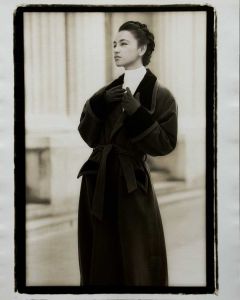
Photoshop made immediate sense to me because I came from the darkroom before digital ever existed. The philosophy behind Photoshop was already there. Only the tools changed.
The darkroom was interpretation. Not deception. That distinction matters.
A fine art print was never simply the mechanical result of a negative. The negative was only the beginning. The print emerged through decisions made under the enlarger, through timing, contrast control, exposure adjustments, and countless small refinements that shaped how the final image would feel.
You learned quickly that the eye does not move evenly through a photograph. It drifts toward brightness. It escapes through corners. It loses itself in areas without structure. So you guided it.
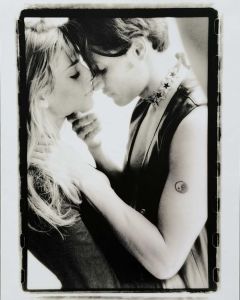
You burned corners slightly darker so the eye remained inside the frame. You held back exposure on faces so skin retained luminosity. You worked shadows carefully, revealing detail without flattening atmosphere. You controlled highlights so white areas still carried information and texture instead of becoming dead space. This was not manipulation in the modern sense people often discuss online. It was craftsmanship.
And that is why I have never viewed Photoshop as something artificial. To me, Photoshop is simply the continuation of darkroom thinking through digital tools. The language changed. The philosophy did not.

The photographers who learned printmaking in a darkroom understood that the final image was not just captured, it was interpreted. The print itself became part of the artistic process. That understanding changes how you approach digital work.
You stop obsessing over removing every flaw. You stop treating photography like forensic evidence. Instead, you begin shaping the image emotionally. You ask where the eye should rest. Where tension should build. What details deserve to emerge and which deserve restraint.
Photoshop, at its best, is not about perfection. It is about guidance. It is about helping the photograph become what it was supposed to be from the beginning.
The irony is that many younger photographers think Photoshop created photographic manipulation, when in reality photographers have been interpreting images since the earliest days of printmaking. The darkroom simply required more patience. And perhaps more understanding.
Because when you spent hours under a safelight shaping a print by hand, you learned something important: The photograph was never finished when the shutter clicked.
Work with David – If you’re a creative director, a marketing lead, a brand builder, an interior designer or a collector looking for work with authorship, consider this your invitation to begin the conversation. For commissioned work, contact or send a message to david@siqueiros.com
® David Siqueiros . All Rights Reserved. No reproduction rights granted or implied.


