


There is something dangerous about too much choice. Modern photography culture encourages endless variation. More lenses. More presets. More filtration. More simulation. More options disguised as creativity. Entire careers are now built around switching visual identities every few frames as if inconsistency itself has become a style. It is not like a one lens philosophy.
But discipline has always lived in limitation. One camera. One lens. One focal length. One way of seeing.
Lately I have been returning to a very specific exercise. A 135mm f/2 lens shot wide open at f/2. Nothing else. No zoom. No safety lens hanging off the shoulder. No switching to 35mm because the room feels tight. No reaching for 24mm because the location looks impressive. Just one lens and the commitment to solve every visual problem through movement, patience, framing, timing, and instinct.
The moment you remove choice from your toolkit, your eye becomes more honest. You stop asking: “What lens should I use here?” And start asking: “What actually matters in this frame?” That shift changes everything.
The 135mm is not a forgiving lens. Especially at f/2. Depth collapses quickly. Focus becomes intentional instead of casual. Backgrounds dissolve into atmosphere. Distance matters. Position matters. Body language matters. The lens forces restraint because you cannot simply stand anywhere and spray frames hoping one works later. You have to earn the image.

This is the part younger digital culture often skips. Film photographers grew up understanding that every frame cost money. Every mistake had weight. Every lens choice altered not only perspective, but emotional architecture. You learned your lenses deeply because you could not afford endless experimentation disguised as workflow.
The discipline was never technical snobbery. It was visual clarity.
A fixed focal length also forces you to move physically through space instead of solving everything mechanically. You step forward. You step back. You crouch. You wait. The photograph becomes something negotiated with the environment instead of extracted from it.
When I shoot a 135mm at f/2 in the studio, something interesting happens. The set becomes quieter. The distractions fall away. The image stops being about environment and starts becoming about presence. Small gestures suddenly matter more than styling tricks. A shift in the eyes becomes more powerful than elaborate production design.
And on location, the effect becomes even more pronounced. The compression of the lens simplifies chaos. City streets. Hotel corridors. Beachfront light. Backstage corners. Parking garages. Suddenly all of it becomes layered atmosphere instead of visual clutter. The world starts separating itself into planes of importance.
Foreground. Subject. Light. Emotion. Everything unnecessary disappears.
That is the opposite of filtration culture. Filtration often asks: “How can I make this image feel interesting after the fact?”
Discipline asks: “How do I make the frame honest before I press the shutter?”
Those are two completely different philosophies.
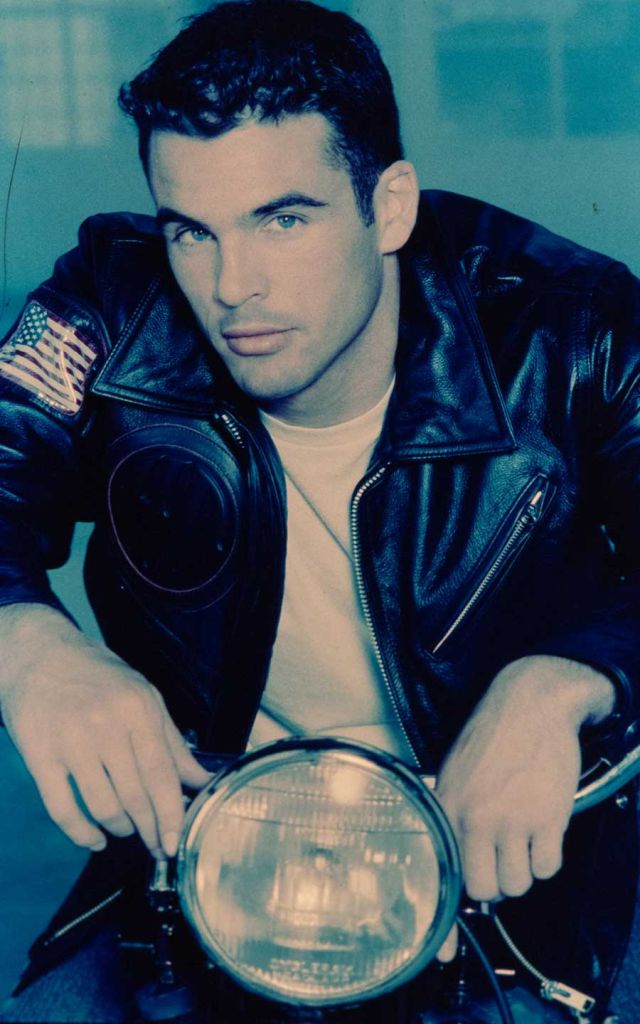
I am not against technology. I shoot digital constantly. Modern cameras are extraordinary tools. But there is a difference between using technology and hiding behind it. Too much modern photography feels cosmetically enhanced before it is emotionally resolved.
Film discipline taught many of us the opposite approach. Get the frame right first. Understand light first. Understand timing first. Understand human behavior first. Then refine.
A 135mm lens wide open exposes everything about the photographer. You cannot fake spatial awareness with it. You cannot casually compose through indecision. You either understand compression, separation, gesture, and timing or you do not. That is why limitation matters.
The irony is that removing options often expands creativity. Once your mind stops obsessing over gear decisions, it begins focusing entirely on observation. You start anticipating moments instead of reacting to them. You begin seeing in the language of a focal length rather than treating lenses like interchangeable effects filters.
Over time, the lens stops feeling attached to the camera. It starts feeling attached to your eye. That is where visual identity actually comes from. Not presets. Not LUTs. Not simulations. Not algorithmic trends. Repetition. Restraint. Recognition. Discipline.
The old film masters understood this instinctively. Many became synonymous with particular lenses because consistency created authorship. The viewer began recognizing not just what they photographed, but how they saw.
That level of visual coherence is becoming rare now because photography culture rewards novelty more than vision. But vision has never been about having access to everything. It has always been about knowing what to exclude.
And sometimes the fastest path back to seeing clearly is removing almost every option except one lens, one aperture, and one honest way of looking at the world.
Work with David – If you’re a creative director, a marketing lead, a brand builder, an interior designer or a collector looking for work with authorship, consider this your invitation to begin the conversation. For commissioned work, contact or send a message to david@siqueiros.com

® David Siqueiros . All Rights Reserved. No reproduction rights granted or implied.


