


Photography has never been a perfectly fair profession. Some arrive with a title, a famous surname, family wealth, social access, or a circle of people already positioned to open doors. Others arrive with none of that. No inherited platform. No introductions. No court around them. Just hunger, discipline, curiosity, and whatever perseverance they can gather to keep going in pursuit of the earned eye. That difference matters, and pretending otherwise helps no one. I was the one with hunger, curiosity, and very little else to rely on.
Yes, privilege exists in photography, just as it does everywhere else. Lord Lichfield and Brooklyn Beckham are useful examples because each raises the same uncomfortable question: when access is granted early, are we looking at talent, or at the power of a name?
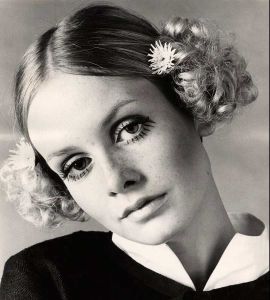
In Lichfield’s case, the answer is more complicated, because even his obituarists recognized the tension: he was privileged, clearly, and one source dryly captured the contradiction by calling him “a Lord who became a photographer.” Yet unlike many lesser beneficiaries of privilege, he built a long career, earned a National Portrait Gallery exhibition, and left behind work with real elegance, social fluency, visual charm, and staying power.
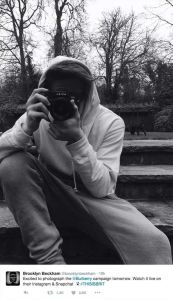
Brooklyn Beckham’s case was less flattering. His photography book was mocked by critics, with one arts editor calling them “terrible photographs” with “even worse captions,” and the broader criticism was not really about cruelty toward a young man. It was about a culture too eager to confuse profile with practice.
But that is only the surface of the issue. The deeper question is what kind of culture photography wants to protect.
When I was still a very young photographer, I once spoke to an agent in New York about representation. He told me I should go to Europe. Specifically Milan, Italy. He said I should go to the magazines there and see if they would work with me. But he meant something larger than simply finding assignments. He described it almost as a rite of passage, not only for photographers, but for models, makeup artists, hair stylists, and everyone trying to become something through fashion and editorial work. He told me to go find that community. Make friends. Share a bottle of wine. Learn how creative lives are actually built, not in theory, but among real people, in rooms, on sets, in conversation, and over time.
That advice stayed with me because I did not come from royalty or rich, famous parents.
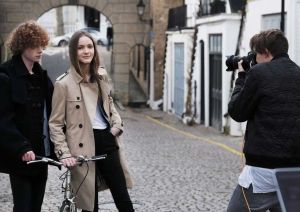
I did better than some and not as well as others, but I persevered and I never gave up. I did not arrive with a title attached to my name, nor with a family machine already prepared to convert visibility into opportunity. What I had was willingness. I kept moving. I kept learning. I kept showing up. And in photography, showing up used to mean more than simply being seen. It meant being useful. It meant being accurate. It meant earning trust.
That is where Stan Malinowski comes in. Stan was a master technician. He was not royalty. He was not handed his place because of a famous surname or inherited social circuitry. He built his life in pictures through eye, rigor, stamina, and professionalism.
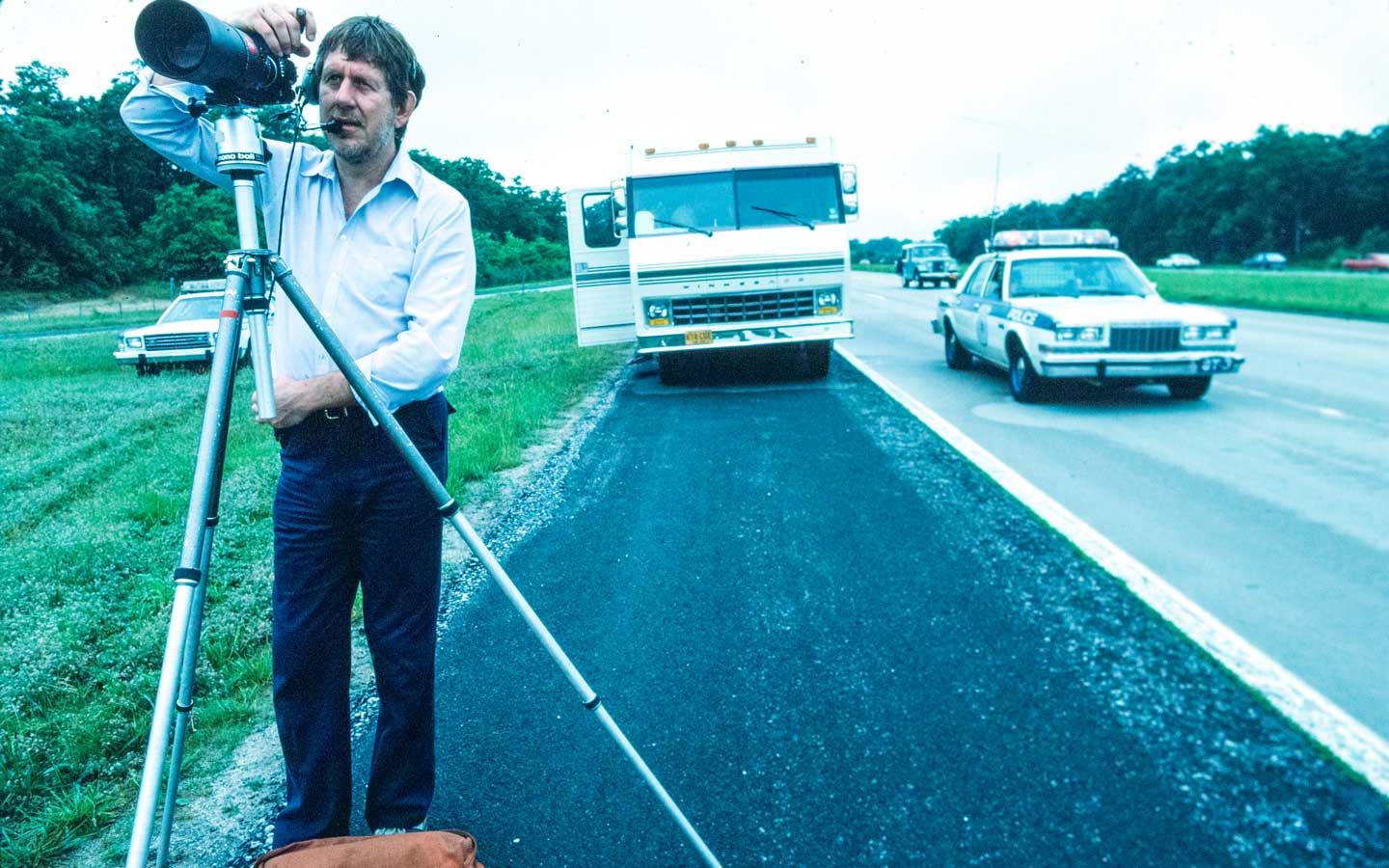
I assisted him, and that experience taught me something essential: before you become the one making the picture, you learn how to serve the picture.
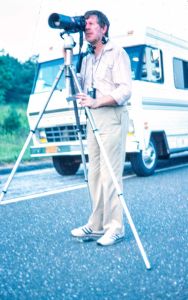
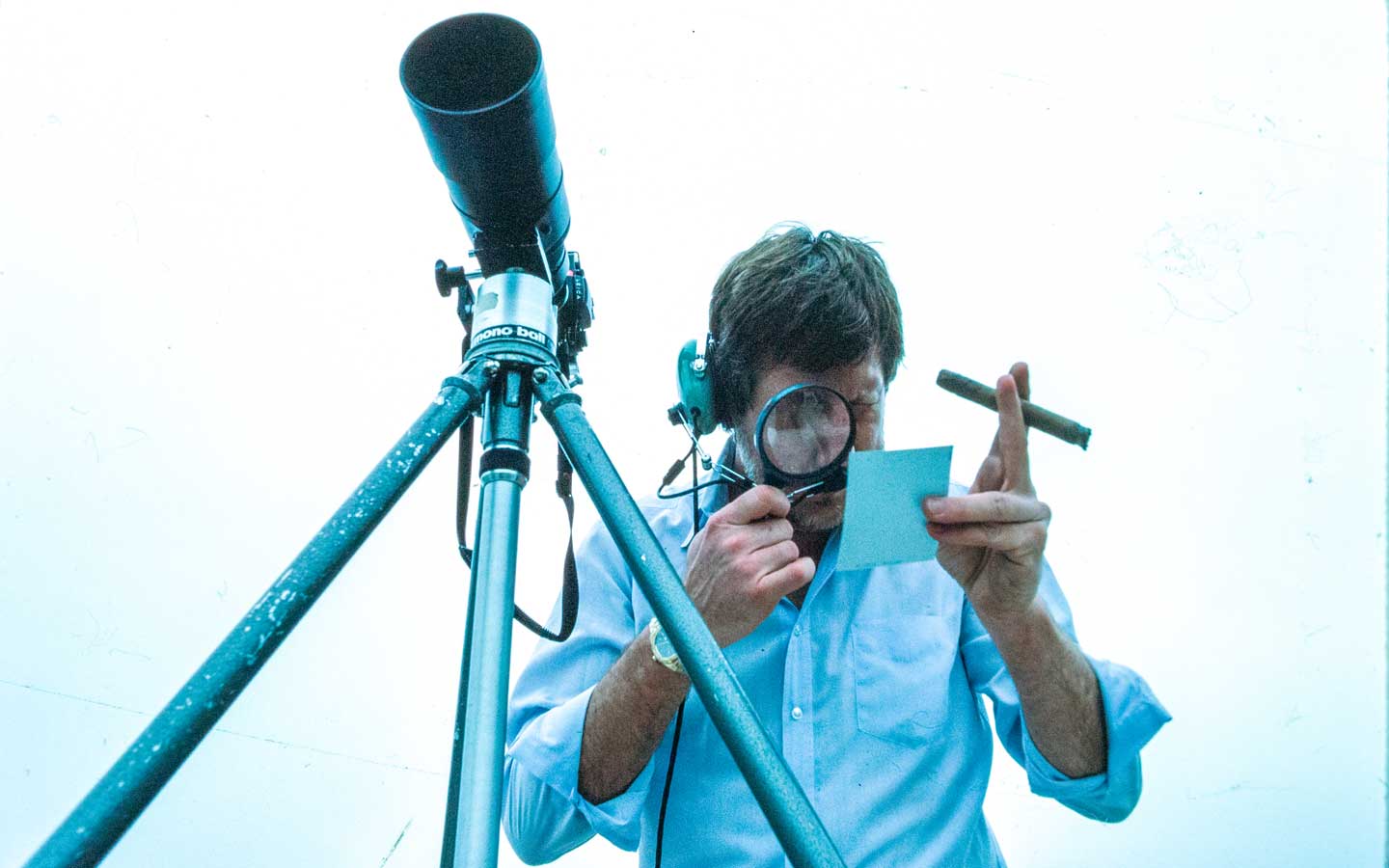
As a first assistant, my role was not decorative. It required concentration, anticipation, precision, and pride. I was always thinking ahead. Would Stan want the other camera body next? The Polaroid body? A fresh light meter reading? Had his manual settings been nudged without him noticing? In that era, these things mattered enormously. A third of a stop off was not some small inconvenience corrected later on a screen. It could mean the difference between a usable exposure and a damaged frame of film. Precision was not theory. Precision was survival.
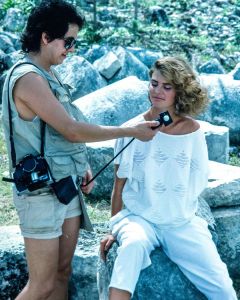
That was part of Stan’s standard. He understood the mechanics of photography at a level that left no room for laziness or approximation. You learned quickly that craft was not an accessory to vision. Craft was what allowed vision to survive the pressures of a real set, a real client, a real day’s work. Stan knew that, and those of us around him had to know it too.
And that education did not belong to me alone. It was part of a lineage.
Rob Rossi, Stan’s first assistant before me, was excellent, and when Rob started shooting on his own, I was brought in to replace him. Later, when I stopped assisting, I brought in James Hastings to replace me. That handoff mattered to us. We cared about leaving well. We cared about replacing ourselves with someone as good as we had tried to be. There was pride in that. There was ethics in that. There was a code. You did not simply leave. You passed the standard forward.
That is one of the great losses in today’s culture around photography: too many young photographers want the authorship without the apprenticeship. Not all of them, of course. But too many have grown up in a system that flatters immediacy and skips the long, humbling middle. They want the campaign, the visibility, the identity of being a photographer, without first learning the discipline of assisting, observing, anticipating, and carrying responsibility for someone else’s work as though it were their own. But that old process taught something invaluable. It taught restraint. It taught attention. It taught respect for the fragile mechanics of making a picture well.
Which is why the issue of privilege still matters, but only as part of a larger truth. The real danger is not simply that some people are born closer to magazines, galleries, or brands. The danger is what happens when access begins to replace formation. When the shortcut is mistaken for the journey. When visibility is mistaken for authorship. When a name gets treated as proof of depth.
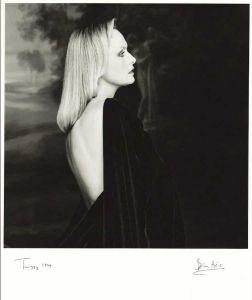
That is why this subject is bigger than resentment. The greater good is to defend a culture of earning.
Photography at its best was never only about who had the right surname. It was also about those who crossed cities and oceans, knocked on doors, assisted for years, learned the chemistry, learned exposure, learned how not to panic, learned how to make themselves useful before making themselves visible. It was built by people who came up through community, rigor, accident, failure, friendship, hunger, and time.
Editorials still matter to me because they leave room for interpretation, style, and surprise. And I believe I have something fresh to offer precisely because I came from a generation that understood delay not as a weakness, but as part of the art.
I still shoot Polaroids on set so the client can have a sense of where the picture is headed. I do not need a digital production in which everybody in the room watches each frame appear instantly on a giant monitor. I would rather preserve some mystery. I would rather the image become itself before it is discussed to death. I would rather the client be surprised, in the right way, by the finished photographs that arrive with intention already inside them.
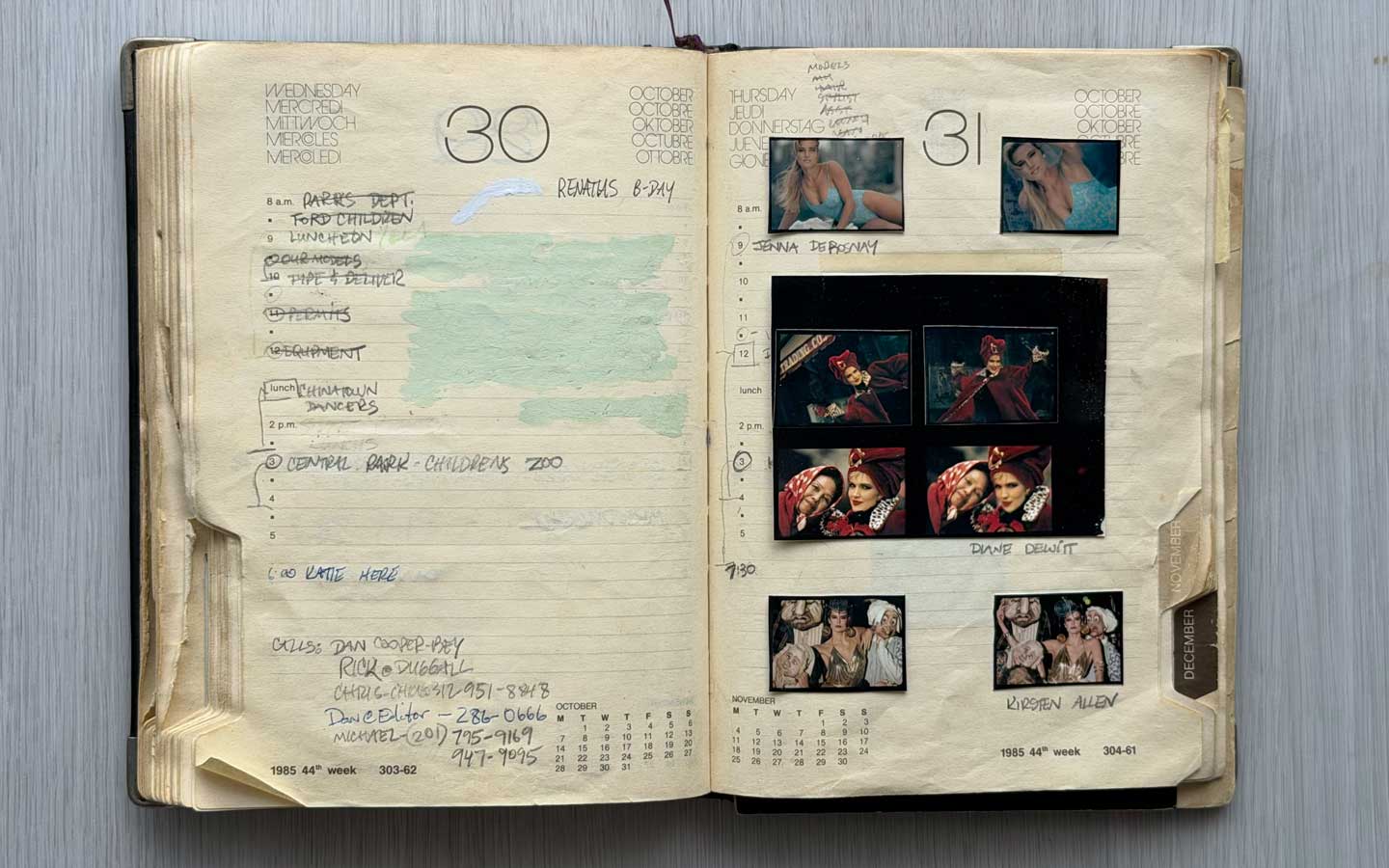
I still present selections, of course. I make a digital contact sheet, or a slide page of considered choices, something elegant and clear. I want the process itself to teach something that younger generations deserve to hear and learn: immediate gratification is not always necessary, and it is certainly not the same thing as vision. Not everything meaningful needs to be seen the second it is made.
Photography once asked for patience. It asked for trust. It asked for craft. And somewhere inside that older rhythm was a different kind of authority, one not granted by fame, but earned by steadiness.
Some people inherit access to publications, brands, and institutions because of royalty, celebrity, or social force. That is real. It always has been. But photography loses something important when access is treated as a substitute for formation. Stan Malinowski represented the opposite idea. So did the assistants who came before and after me. We believed in learning the work well enough to pass it on cleanly.
That may be why life feels so meaningful. The first light was the light of youth, momentum, and early editorial success. The second was the light of responsibility, when fatherhood and family required that I step away from editorials and into commercial work in order to provide. My daughter, Rebecca, remains the best thing that ever happened to me. Now I find myself entering a third phase. This Third Light is not a repetition of what came before. It is a return shaped by experience, restraint, survival, and a deeper understanding of what I have to offer.
That is the tradition I believe in. Not the shortcut. Not the surname. Not the room you were born into. The Earned Eye.
Work with David – If you’re a creative director, a marketing lead, a brand builder, an interior designer or a collector looking for work with authorship, consider this your invitation to begin the conversation. For commissioned work, contact or send a message to david@siqueiros.com
® David Siqueiros . All Rights Reserved. No reproduction rights granted or implied.


