


There’s a reason platforms like The Beauty of Black and White Photography continue to resonate with photographers across generations. Not because black-and-white is nostalgic, or even traditional, but because it reveals something that color often conceals. Black and white is not a style. It is a decision.
A true monochrome image, one that carries the full range of 256 tonal values from absolute black to pure white, is not about removing color. It is about replacing it with structure. With tension. With presence.
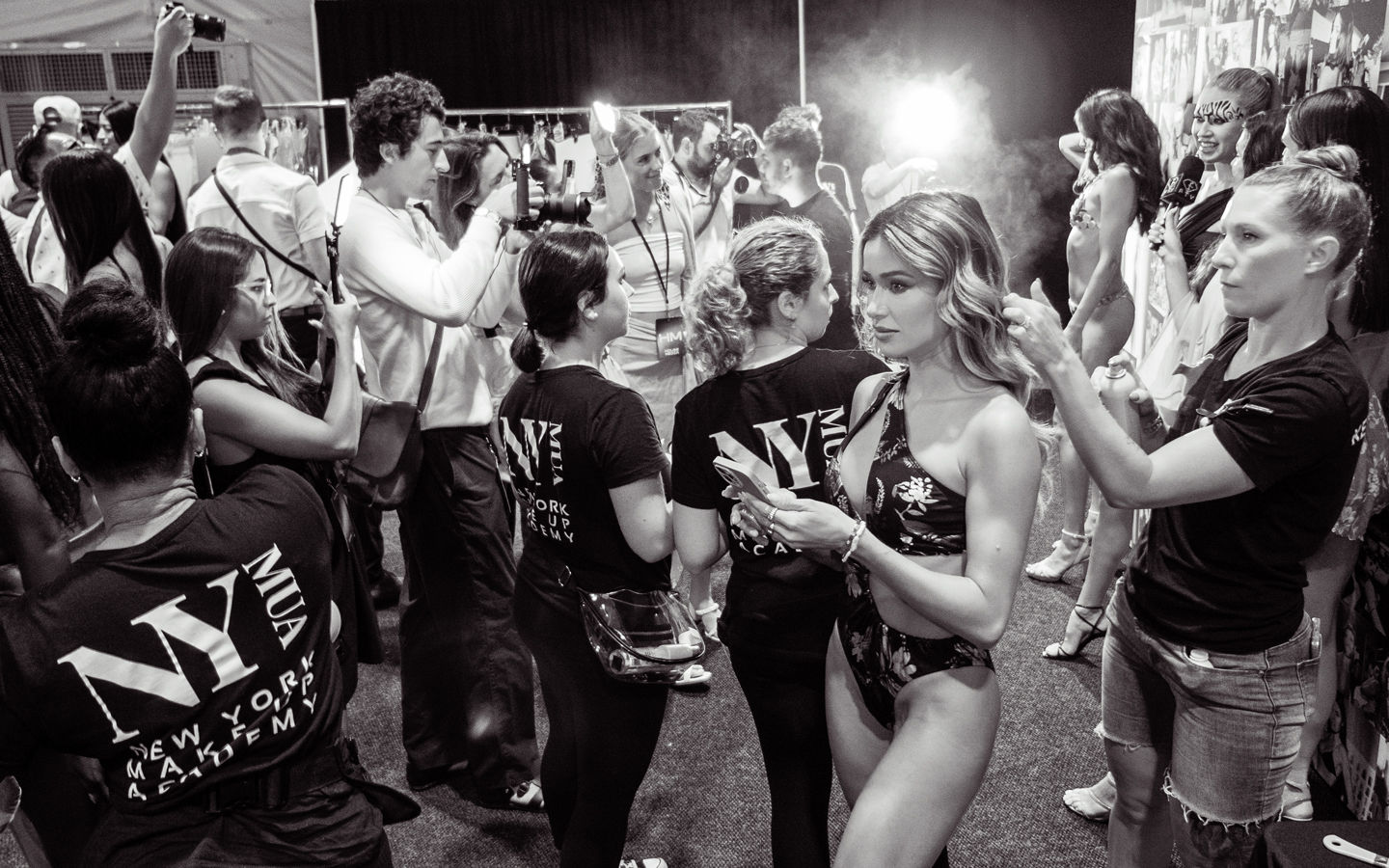
This is where black-and-white begins to move into something closer to what we now recognize as pop art. Not in palette but in intention.
Pop art took the familiar and forced a second look. It flattened, repeated, exaggerated, and reframed. Black-and-white photography has always done something similar, just with more restraint. It removes the immediate comfort of recognition and replaces it with interpretation.

A topless portrait in black and white does not read the same way it does in color. Skin is no longer tone it becomes surface, line, geometry. The body shifts from identity into form. It becomes less about the subject and more about presence. The same transformation happens in a seascape.
In color, the ocean is descriptive. Blue defines it. The sky reinforces it. The horizon organizes it. But in monochrome, the ocean becomes mass. The sky becomes pressure. The horizon becomes a point of tension between two forces. Reality begins to dissolve.
Black-and-white does not describe the world. It interprets it. And in doing so, it removes us from the literal. It pulls us out of time, out of specificity, and into something more abstract—something more emotional. Without color to guide the eye, we begin to feel our way through the image.
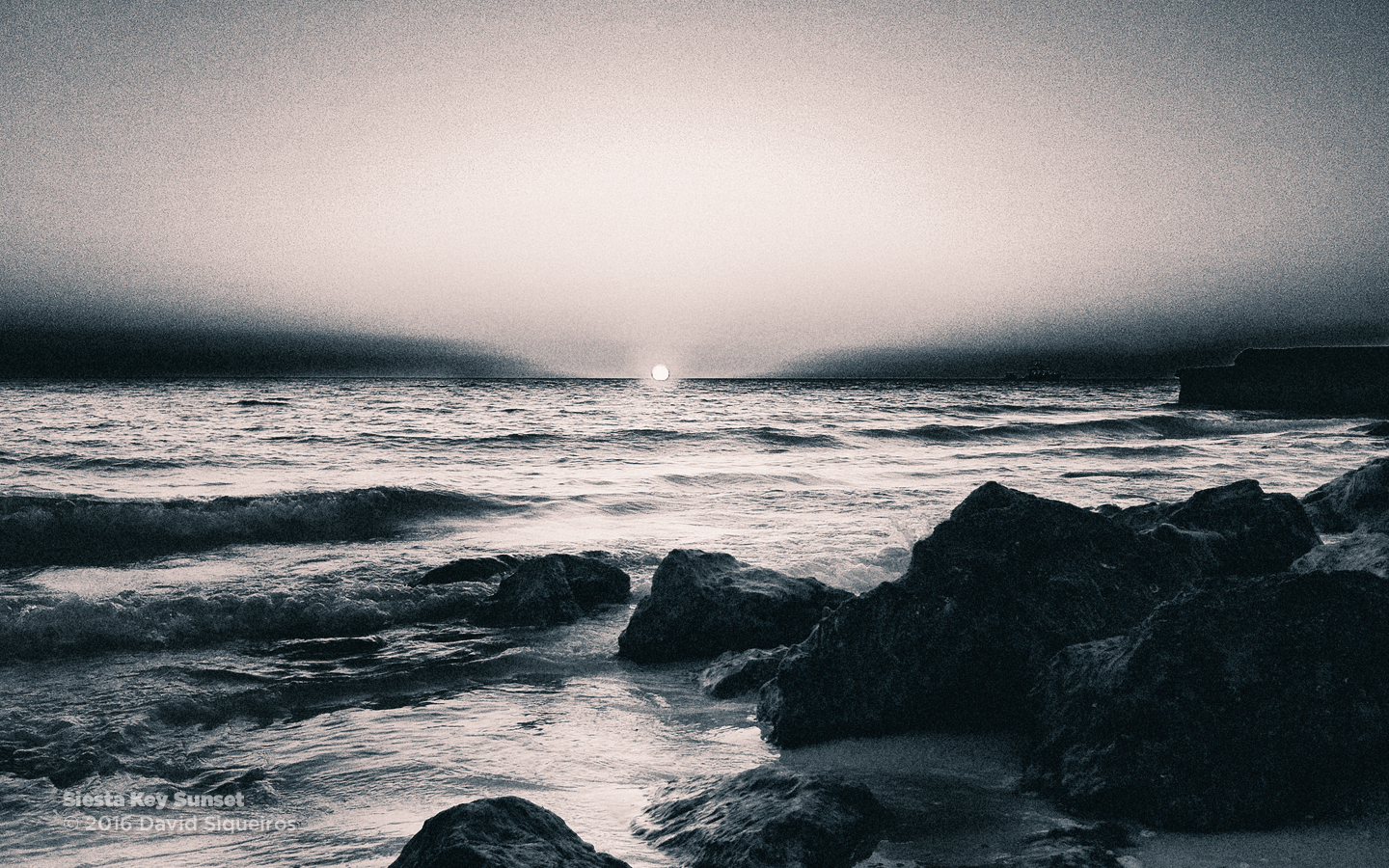
That is where the photograph becomes active. Contrast becomes language. Light becomes intention. Shadow becomes meaning.

A deep black can hold mystery, even danger. A soft gray can feel intimate, almost fragile. A blown highlight can feel exposed, unresolved.
These are not technical outcomes. They are emotional decisions. Color often answers too quickly. Black-and-white delays the answer.
And in that delay, something more complex begins to emerge. The viewer stays longer. Looks harder. Projects more of themselves into the frame.
This is why monochrome can feel more honest, even while being less literal. It removes the evidence and leaves the interpretation. That is the truth inside it.
Work with David – The camera is the instrument. The work is deeper: reducing the image to its essential language, light, form, and meaning. If you’re a creative director, a marketing lead, a brand builder, an interior designer or a collector looking for work with authorship, consider this your invitation to begin the conversation. For commissioned work, contact or send a message to david@siqueiros.com
® David Siqueiros . All Rights Reserved. No reproduction rights granted or implied.


