

Skip to main content Scroll Top

Predator or Voyeur?

A reflection on photography vs video, and how observation, collaboration, and campaign intelligence shape stronger visual work.

When I hold a still camera, I feel like a predator. When I hold a motion camera, I feel like a voyeur. Predator or Voyeur? Photography vs Video. This is not just a question of equipment. It is a deeper difference in instinct, and that is what makes photography vs video such a revealing contrast.

That distinction matters more than most people admit. Photography and video may share equipment, light, framing, and technical language, but they do not come from the same instinct. One is built around the act of taking. The other is built around the act of watching.

Photography is about pursuit.
You are hunting for a decisive instant, a gesture, a glance, a collision of posture and light that can carry the full weight of the image in a single frame. A good photographer knows how to isolate that moment and claim it. There is an aggressive precision to still photography that I respect and understand deeply.
Motion is different.
Motion asks for patience. Motion asks for observation. Motion asks you to let something unfold instead of attacking it too soon. That is why, when I am shooting video, I do not feel like a predator. I feel like a voyeur. I am not trying to conquer the moment. I am trying to stay with it long enough to understand it.

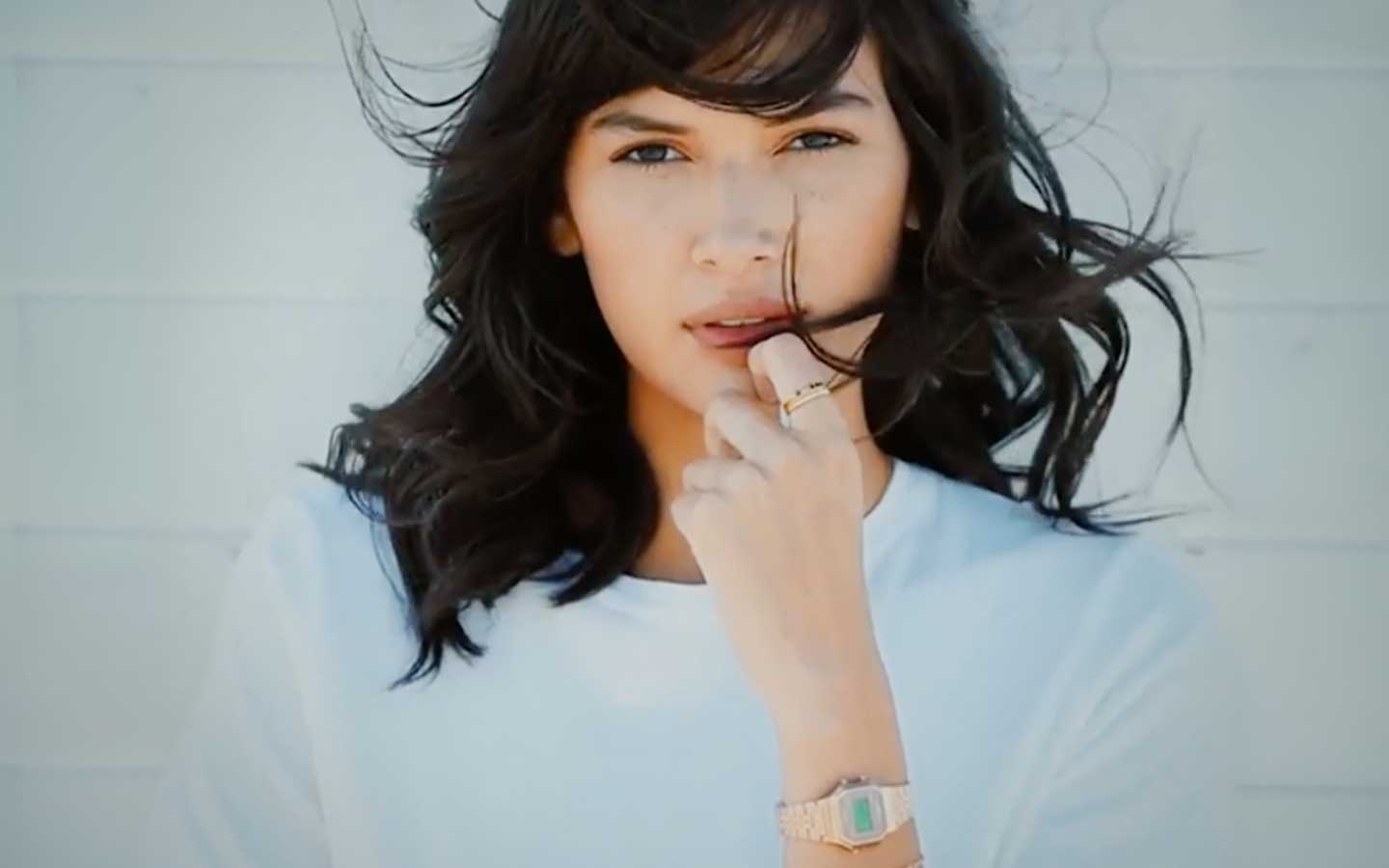
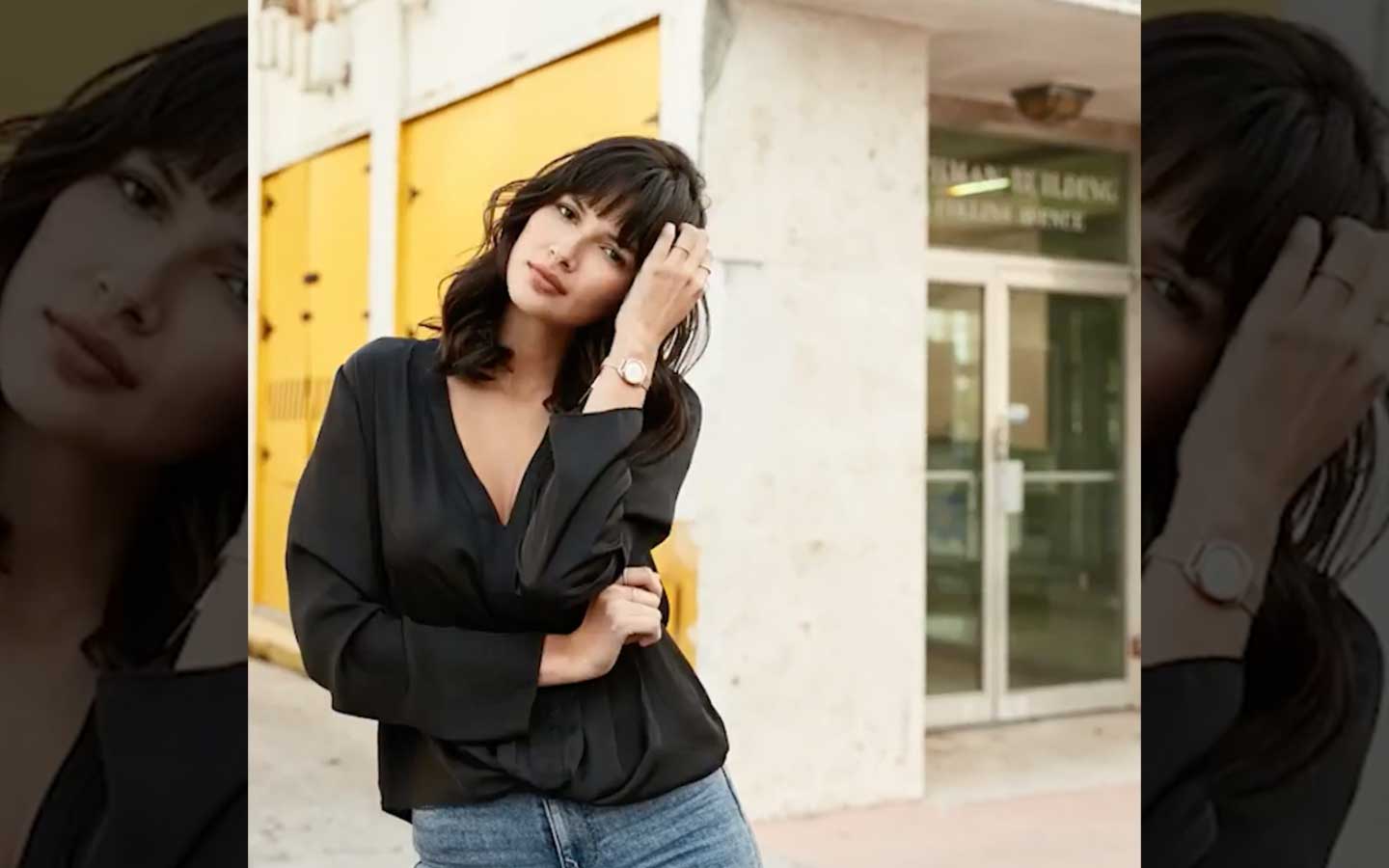
I felt that very clearly when I was brought in as the motion shooter for the rebranding of the TIMEX watch brand.This was not a side assignment or a loose behind-the-scenes add-on. My motion captures were part of the larger campaign language. The work would live through social media in clips ranging from 20 seconds to 90 seconds, extending and supporting the print campaign. That meant the motion work had to do more than look good on its own. It had to belong to a larger visual system. It had to speak in harmony with the still photography, the branding, the rollout, and the client’s broader ambition.


I was introduced as Digital Dave.
I took the role seriously. Not just technically, but socially. One of the first things that mattered to me was making friends with the photographer. I wanted that relationship to be collaborative from the start. In dual-shooter situations, tension can appear very quickly if people start guarding angles, protecting moments, or acting as if one medium is more important than the other. That is poison on a set. I have never liked that mentality.

If a client hires both a photographer and a motion shooter, they are not paying for competition. They are paying for coverage, cohesion, and results. They are paying for two different disciplines to work together in service of one idea. That only works when both people understand the assignment is bigger than their individual portfolio.

So I made it a point to build trust early.
I wanted the photographer to know I was not there to steal her shots, crowd her frame, or turn the day into a territory war. I was there to make sure we both got what we were hired to get. That, to me, is professionalism. Not just delivering your own assets, but helping protect the conditions that allow the entire production to succeed.

This is one of the major differences between photography and motion that people rarely talk about honestly. Many photographers who move into video bring the wrong psychology with them. They keep chasing isolated moments as if a beautiful frame is enough. It is not. Motion is not a collection of pretty fragments. Motion is rhythm, continuity, atmosphere, sequence, and emotional progression. A clip has to breathe. It has to move. It has to connect one visual event to the next in a way that feels intentional.

Good video shooters are not necessarily good photographers.
They trust duration to solve problems that a still image cannot survive. A photograph has no place to hide. Every detail matters immediately. In motion, you can build meaning across time. In stills, the image must arrive complete.

That is why not many photographers become truly strong video shooters, and not many video shooters become truly strong photographers. The tools overlap, but the instincts do not.

On the TIMEX campaign, I was not there to “get” the shot in the way I might with still photography. I was there to observe the brand in motion. I was there to watch how the pieces came together, how gestures translated on camera, how energy moved through the set, how product, styling, pacing, and personality could be shaped into short-form sequences that extended the campaign beyond print.

Motion for social is a different mindset.
I had to think about how motion would live on social platforms, where attention is brief but impression matters. I had to think about the relationship between a heroic still image and the emotional residue created by movement. Motion was not there to compete with print. Motion was there to deepen the campaign, to give it circulation, breath, and modern relevance. That kind of work depends on collaboration more than conquest.

Stillness that speaks.
The photographer needs room to do what a photographer does best: isolate, refine, and capture the frame that can carry a campaign visually. I needed room to do what motion does best: build continuity, texture, and visual flow. If either of us had decided to behave like the star of the set, the work would have suffered. The client would have suffered. The campaign would have lost coherence.

What is the real lesson?
When I am shooting stills, there are times when the predatory instinct serves the work. You must be fast, selective, decisive, even ruthless in your editing mind. But when I am the motion shooter inside a larger production structure, especially one tied to a major brand, I do not want to behave like a predator. I want to behave like someone who sees the whole field.

A voyeur, in this case, is not a passive observer. A voyeur is someone who understands that watching carefully is its own form of authorship. That patience is not weakness. That staying aware of everyone around you, the photographer, the talent, the client, the timing, the purpose of the campaign—is part of the craft.

I am not interested in the mythology of the lone genius fighting for the shot. I am far more interested in the intelligence of the team.

A good production is measured by whether the photographer got what she needed, whether the client got what they envisioned, whether the campaign held together across mediums, and whether the final work felt unified instead of fractured by ego.

Not individual success. Team success. Not predation. Observation. Not competition. Coordination. That is the difference.

That is why, in motion, I choose voyeur over predator every time.

Work with David
If you’re a creative director, a marketing lead, a brand builder, an interior designer or a collector looking for work with authorship, consider this your invitation to begin the conversation. For commissioned work, contact  or send a direct message to david@siqueiros.com

Related Posts
Clear Filters

Eyes to Eyes explores the connection between humans and rescue animals through black-and-white imagery. Created for a Miami exhibition supporting no-kill shelters, the series captures the moment curiosity becomes trust.

Social media has blurred the line between beauty and modeling. Model suitability for photography depends on structure, movement, and presence not simply appearance.

Time-lapse is still photography timed with intent. Interval choice, multi-camera coordination, power logistics, weather problem-solving, and a post production pipeline built for maximum image quality.

Add Comment

You must be logged in to post a comment.