


Modes of Seeing isn’t a portfolio category. It’s a working system.
I’ve spent a life behind the camera, still and motion, long enough to know that what makes an image last isn’t novelty. A career isn’t one clean lane. It’s weather. It’s rooms. It’s reinvention. I came up the old way: as a freelance photographic assistant in New York, booked by top fashion photographers, learning the physics of a set, how light behaves, how talent breathes, how calm becomes a form of power.
This post is the map of how I see. The work on this site is organized by modes, not by client, not by genre, because the sensibility stays constant even when the subject changes.
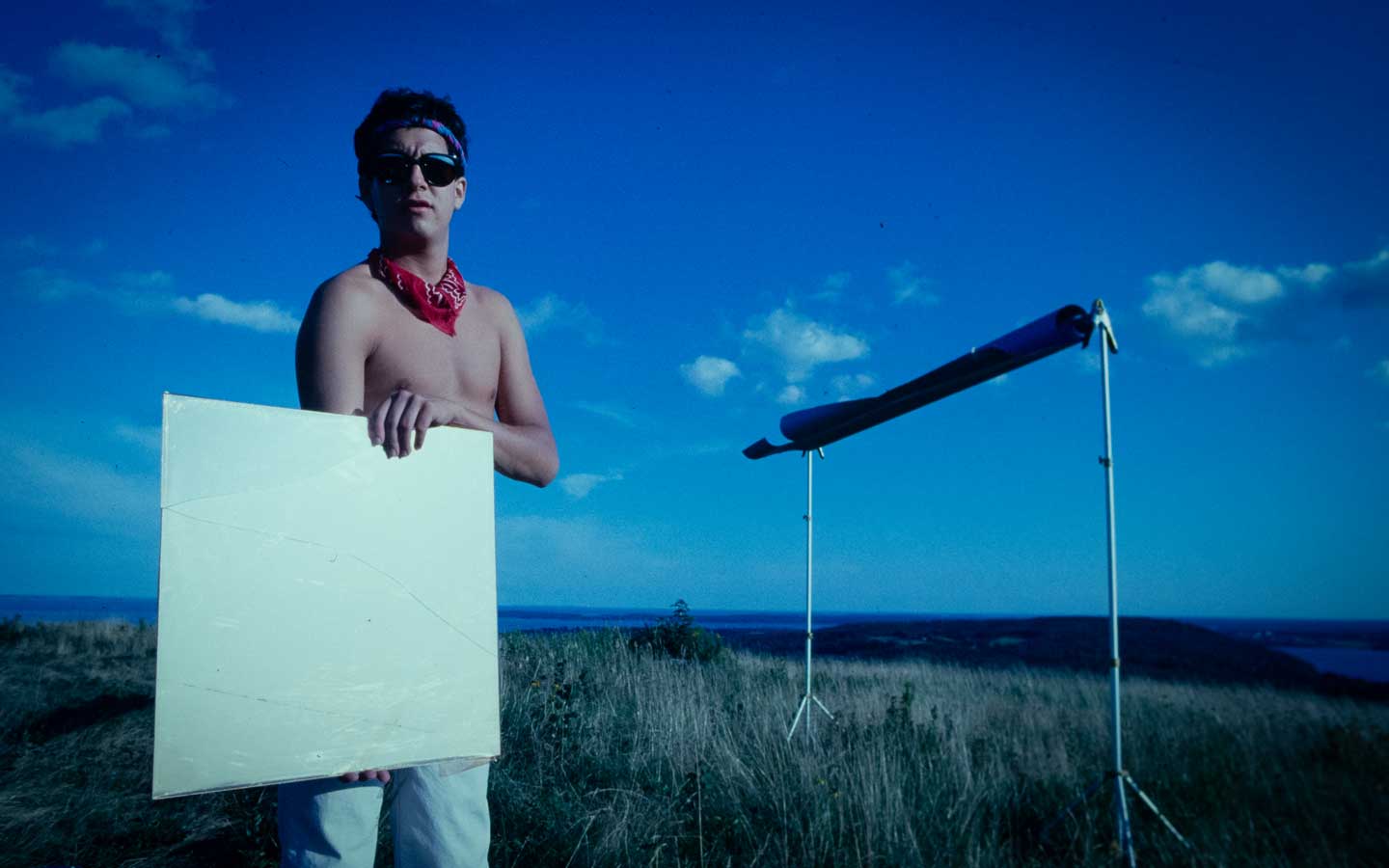
For a pivotal stretch, I was studio manager for photographer Ross Whitaker at Studio 901, 156 Fifth Avenue, an address that was less “workspace” and more frequency. Through that world I met and assisted artists who helped shape the visual language of an era: Arthur Elgort, Stan Malinowski, Mario Testino, Bruce Weber, Palma Kolansky, Rebecca Blake. In those fields you learn a lasting truth: the photograph isn’t the click. The photograph is the build, tempo, trust, taste, and the invisible architecture that lets a moment become real.
My own career kicked forward when Katie Ford at the Ford Model Agency gave me a runway: I produced and photographed a 3M calendar featuring Ford models. That project taught me I could do more than “shoot”. I could produce, direct, deliver.
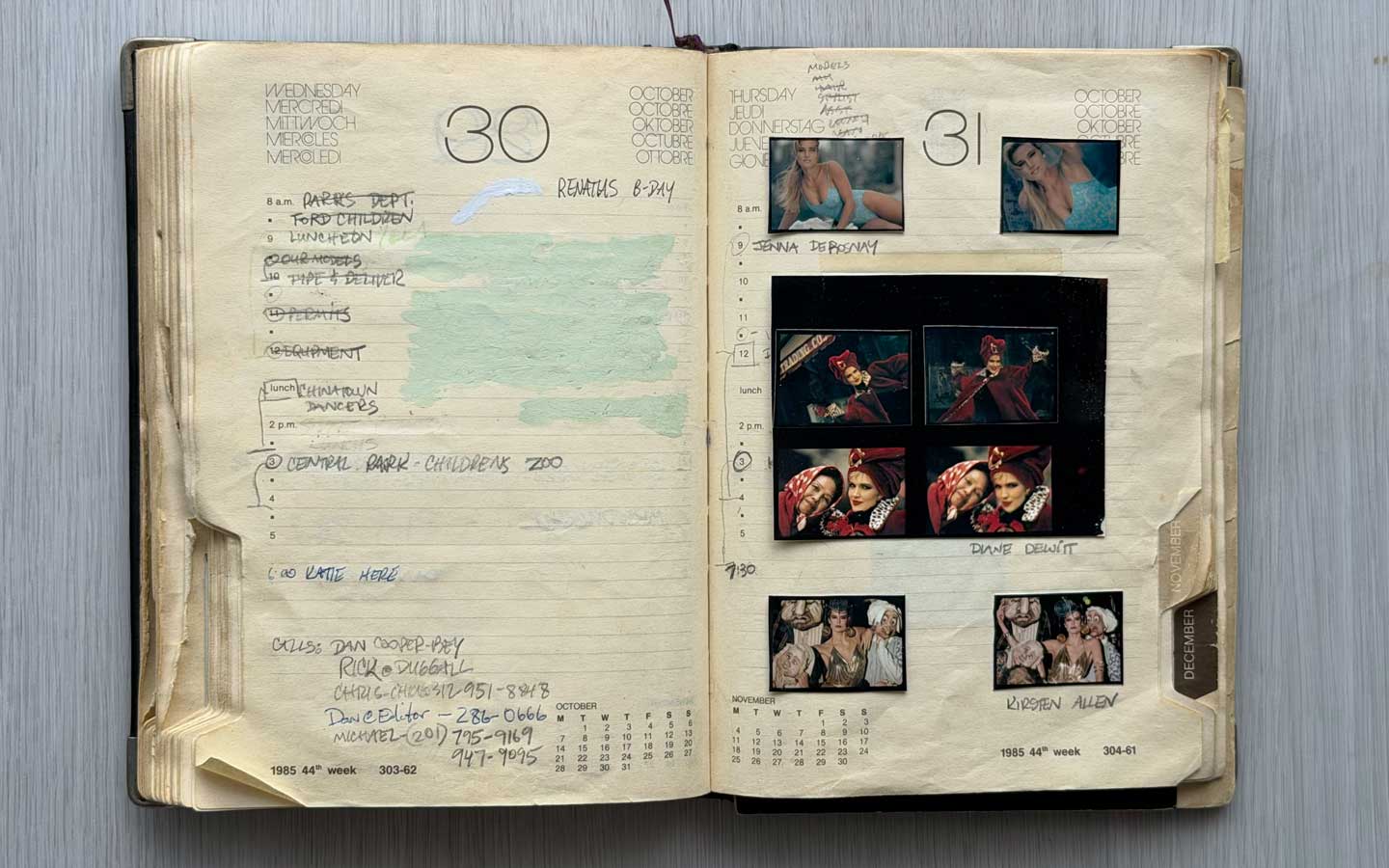
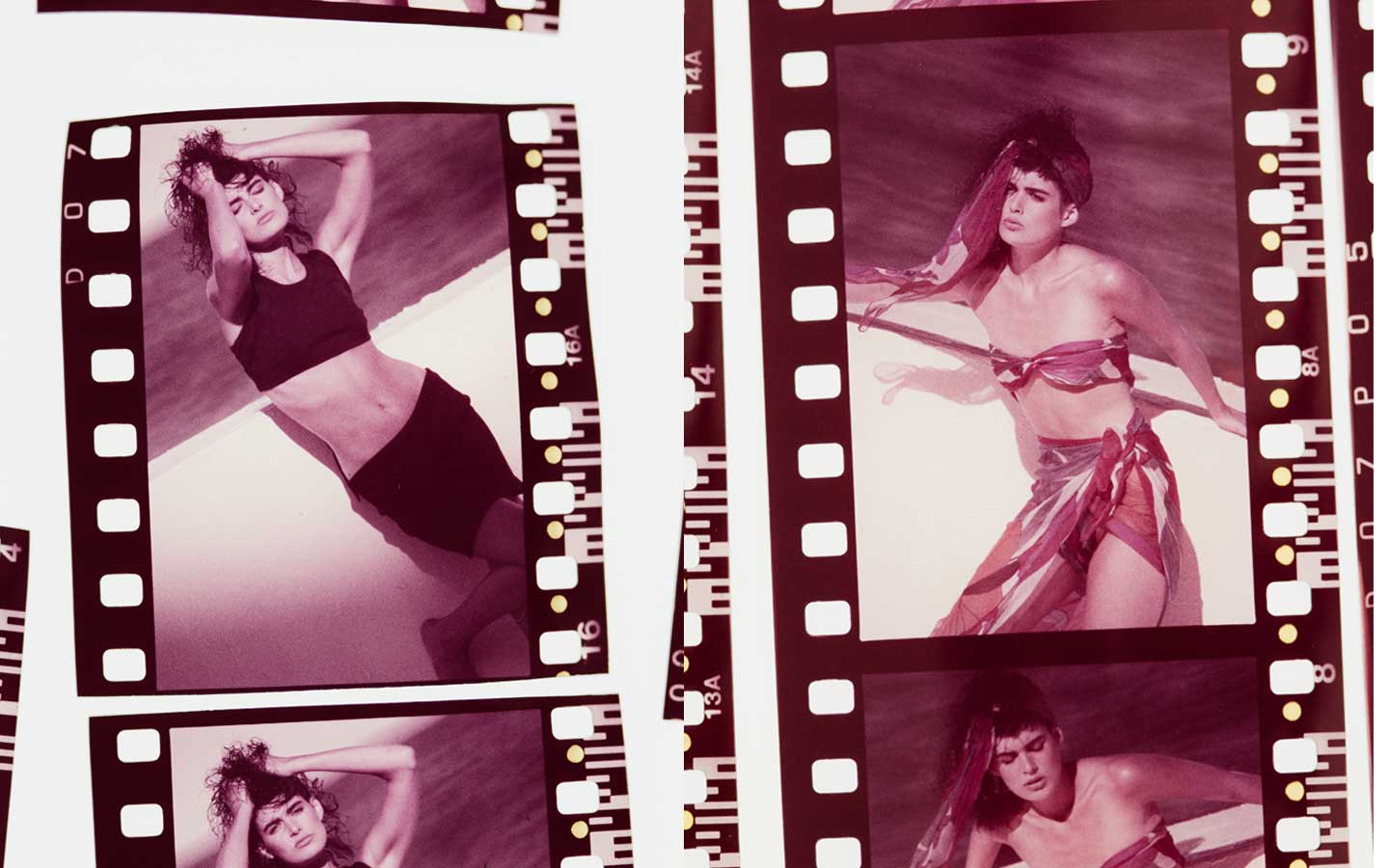
Then came the deep-forging assignments. I went to Australia and shot at a scale that changes you: 180 pages of editorial for Australian Harper’s Bazaar and 120 pages for Australian Cosmopolitan. That kind of work trains endurance and clarity. It teaches you how to keep the work alive across long days, shifting locations, changing light, evolving budgets, bigger personalities and still land images that feel inevitable.
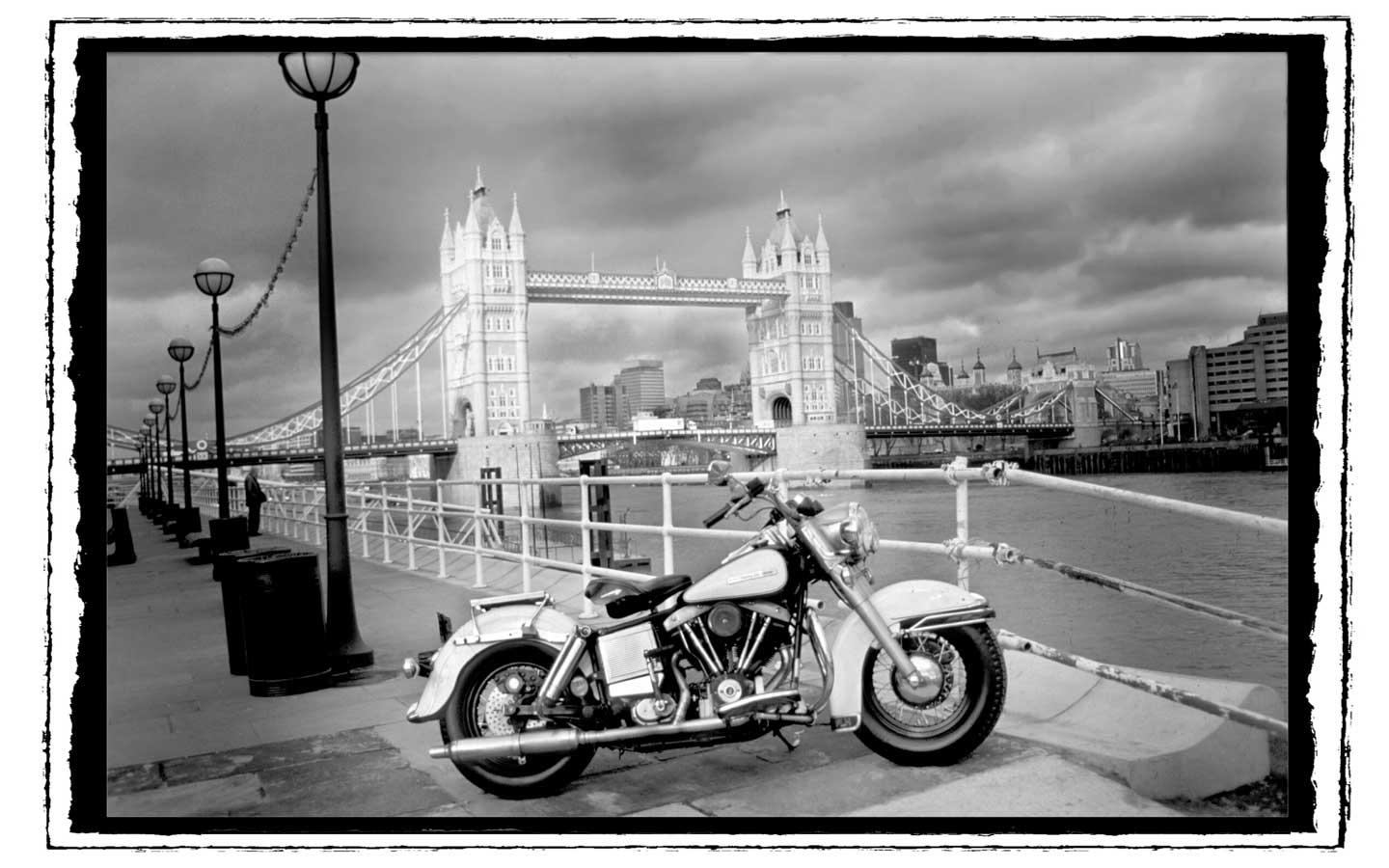
 From there the story widened: London, represented by Julia Kirk, where I photographed for The Daily Telegraph, British Vogue, Company Magazine, The London Sunday Times, alongside commercial work for N. Peal of Saville Row, Janet Reger, Max Factor and Harrods. Then Milano, represented by Giorgio Repossi, producing work for Cento Cose and Man. Each city refined a different muscle: New York taught quality and nerve, London taught restraint and elegance, Italy taught freedom with structure.
When I moved to Miami Beach, my life shifted. My daughter was born and she remains the best thing that ever happened to me. It changed how I value time, and why I’m so serious about images that last.
In Miami Beach I landed at Ocean Drive magazine, where my skill set expanded outward into digital build, editorial systems, and the early language of online media. I designed and produced V2 of oceandrive.com, which began a parallel career producing motion: web video around cover shoots, interviews, and celebrity worlds that fed entertainment outlets and syndicated programming (including Extra. Entertainment Tonight and Inside Edition). Micro Cinema was born. The frame learned to breathe.

Throughout all of this, I kept stepping into industries I’d never worked in because that’s when I felt most creative. The moment I don’t know the rules yet is the moment my eye gets sharper. I’ve moved between genres the way a musician moves between keys keeping the same sensibility while changing the instrument.
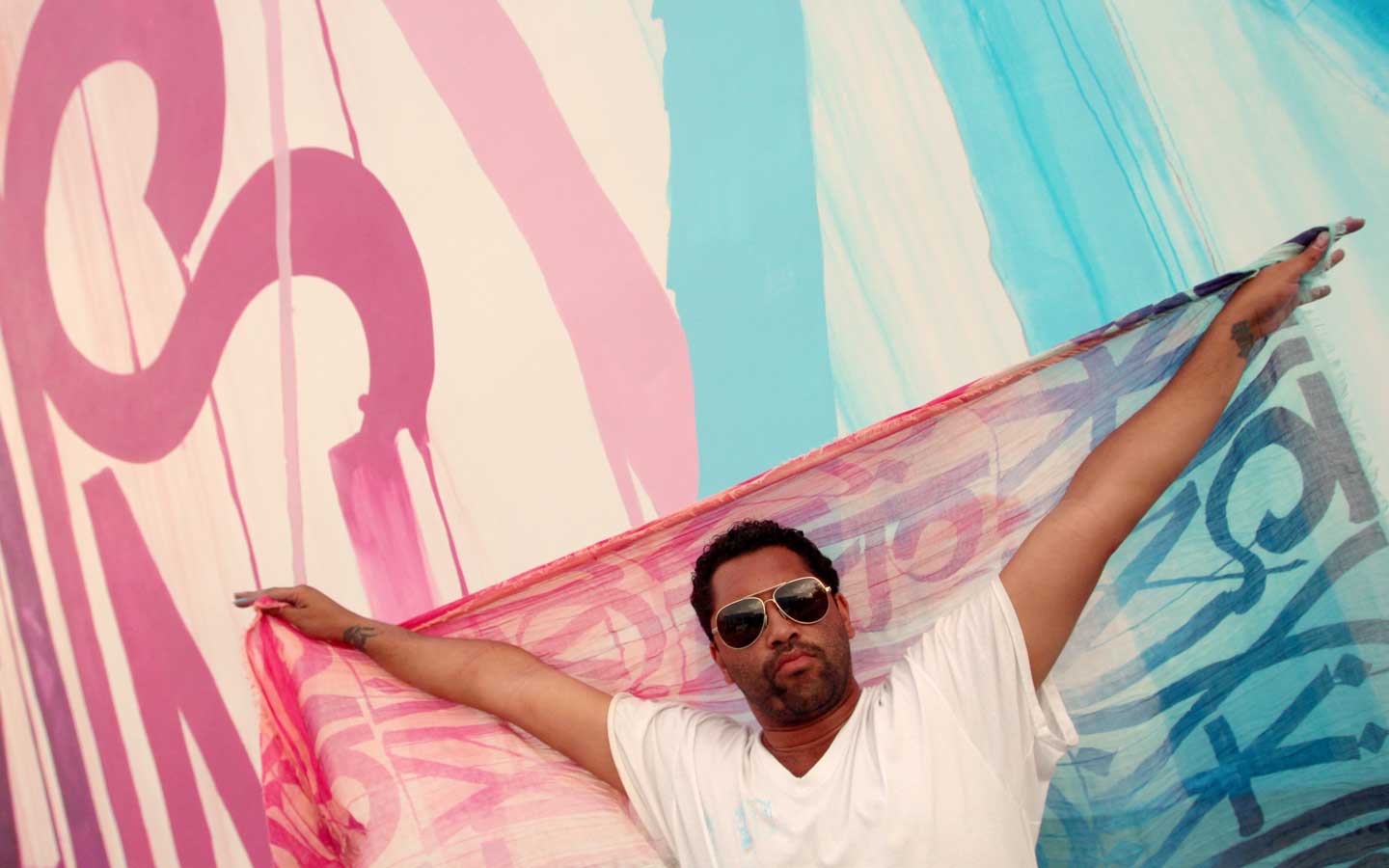 I’ve made films for art installations and lectures for Louis Vuitton. I spent nearly a year producing recruitment and brand storytelling videos for XPO Logistics, a different kind of world entirely, where the challenge isn’t glamour, it’s clarity and human truth inside scale. I’ve built work for medical, hospitality, luxury retail, broadcast, government, fashion, automotive, spirits, real estate, and cultures often translating “what it is” into “what it feels like.”
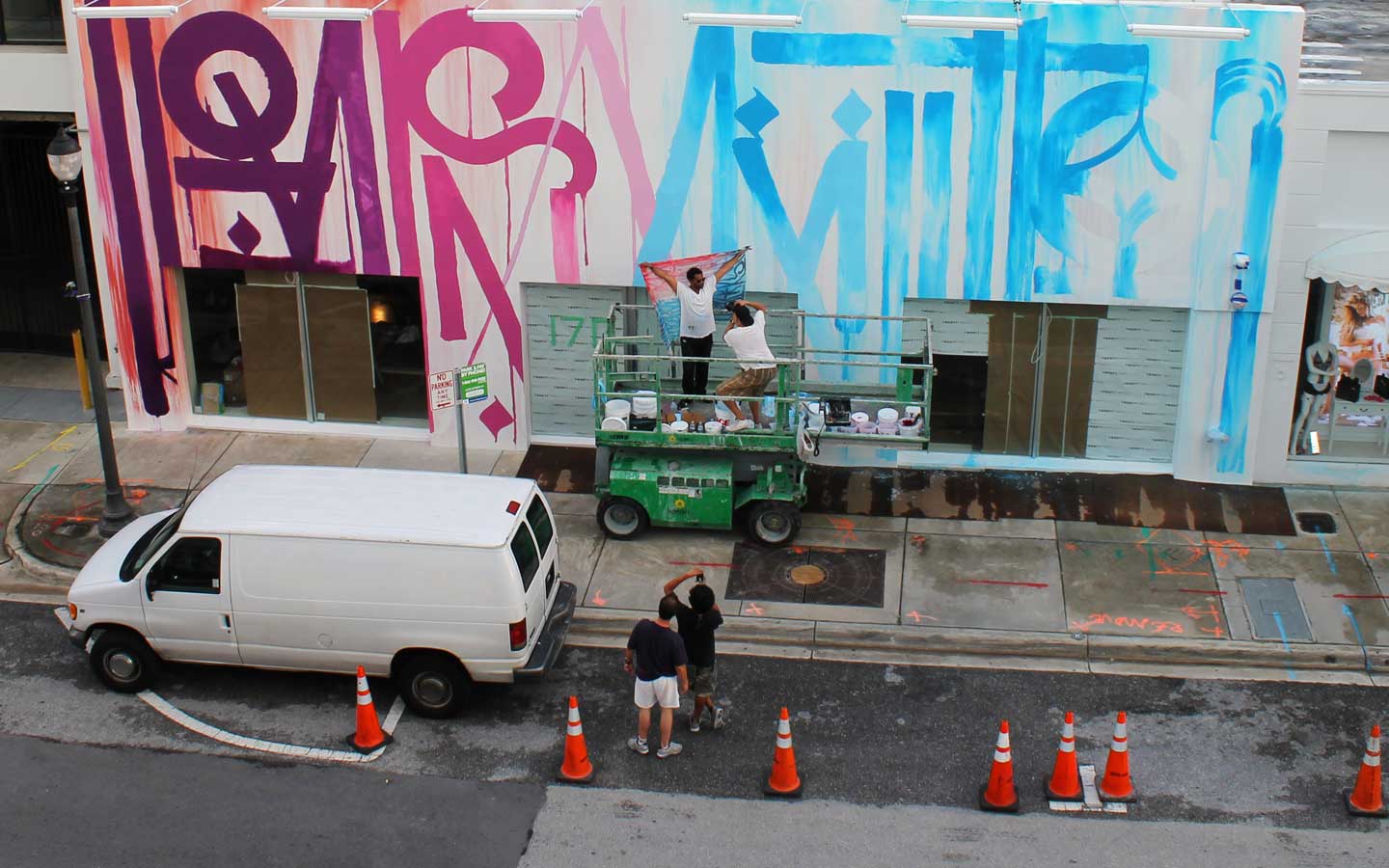
Here are some of the names that have trusted that translation:
Louis Vuitton, Timex, Laura Biagiotti, Norwegian Cruise Line, Mandarin Oriental Miami, Hamptons Magazine, XPO Logistics, RingCentral, City of Miami Beach, Elizabeth Arden, Guess, Aston Martin, Locman Watches, Tanqueray Ten, Kodak, The Related Group, Niche Media, CBS4, NBC6, Maxim, Ocean Drive Magazine, Perry Ellis, Sony Records, Bal Harbour Shops, the Miami Yacht Show and the Fort Lauderdale International Boat Show.
That range isn’t randomness. It’s the point. Because what I’m showing here isn’t a portfolio as a pile of “best-of.” It’s a sequence, chapters organized by modes of seeing. Each mode is a way I approach the world, regardless of client or genre.
The Modes;
Each mode is a lens. A way of entering a room, reading a face, shaping a story.
-
- Presence — portraits without performance.
-
- Ritual — fashion as ceremony.
-
- Pulse — a city in motion.
-
- Edge — experiments in vision.
-
- Atmosphere — what happens when the room matters.
-
- Flesh & Form — intimate, bold, never exploitative.
-
- Echo Chamber — the architecture of brand story, in motion.
The point of the system
A “best-of” portfolio is a stack of hits. Modes of Seeing is different: it’s continuity, a visual language that can move from fashion to hospitality, from portraiture to brand film, from a quiet morning to a crowded room, without losing its spine.
If you’re trying to understand what I do, don’t start with the résumé. Start with the modes. You’ll see the pattern.
The quieter work
Some images aren’t meant to compete for attention. They’re meant to change the air.
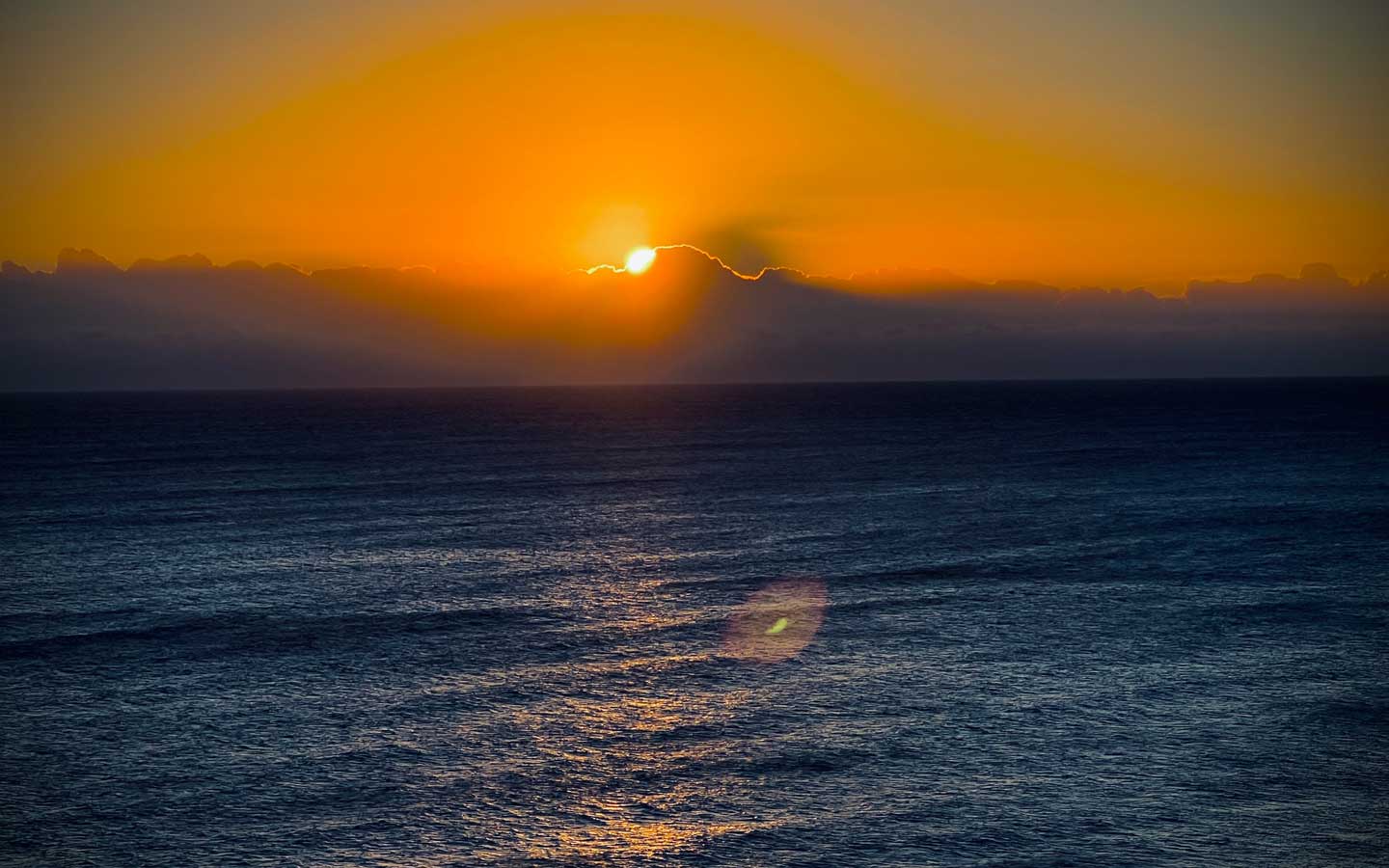
Whispers of Hope / Daybreaks lives here as practice—photographs made at the edge of morning, built to live large in your head or on a wall, setting the emotional temperature of a space.
Signature Prints and Interior Placement
I don’t think of prints as “merch.” I think of them as interior instruments, a way to tune a room.
A signature print isn’t decoration. It’s a decision: what do you want the air to feel like when someone walks in? Calm? Tension? Heat? Silence? I build images with placement in mind: scale, negative space, tonal range, and the way a piece converses with architecture, upholstery, stone, wood, and light.
If you’re an interior designer, a collector, or someone building a home with intention, this work is made for you—one wall, one image, the kind of piece that changes the room without raising its voice.
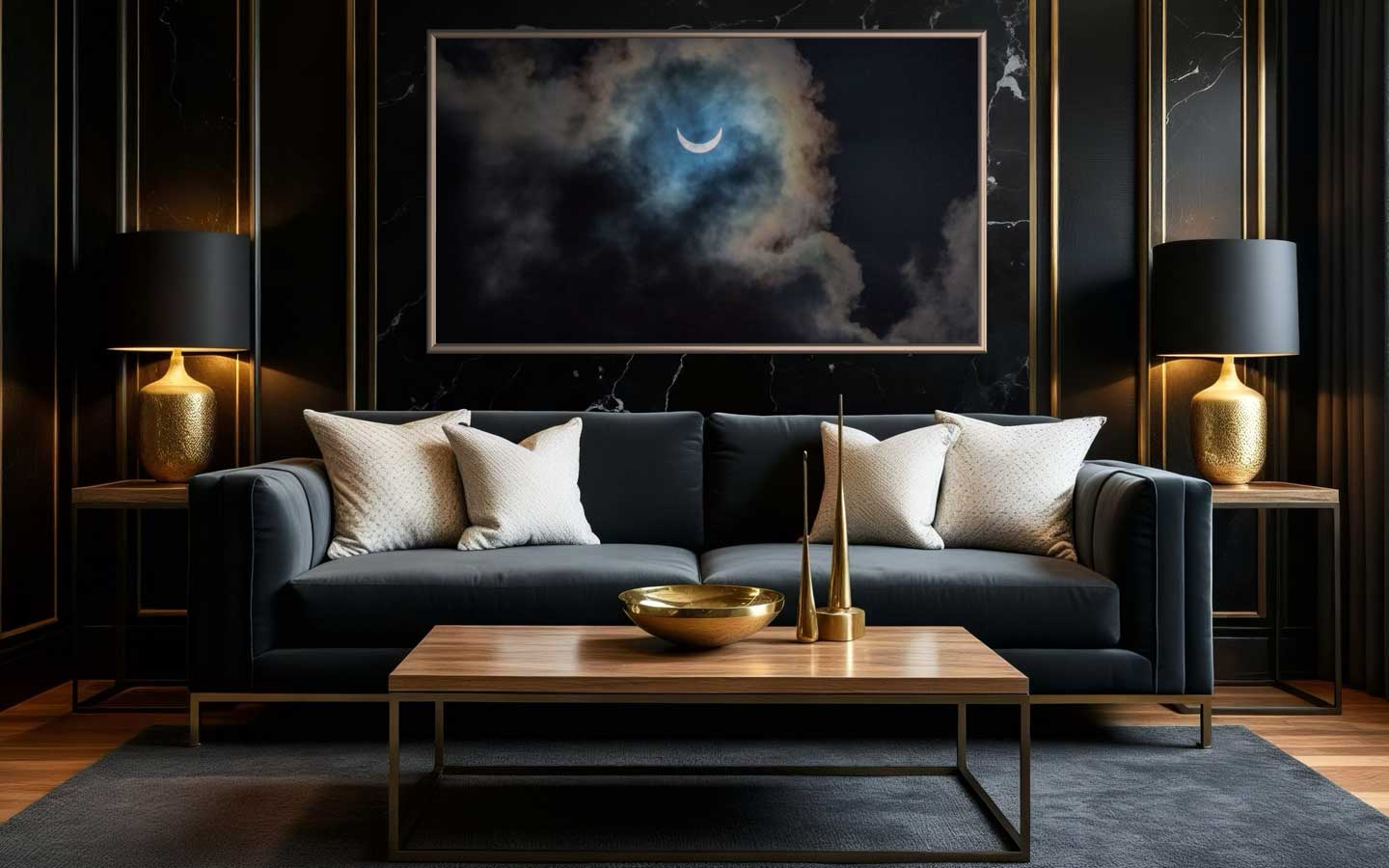
If you’re an interior designer, a collector, or someone building a home with intention, this work is made for you: one wall, one image, the kind of piece that changes the room without raising its voice. The photograph becomes atmosphere, installed, permanent, lived with.
The Archive
Threaded through all of it, carefully, deliberately, is the idea of the archive.
There are moments that exist before the world decides what they mean. Photographs and footage that stayed quiet for years—not from secrecy, but from timing, respect, and value. I’ve been trusted in rooms that don’t need witnesses. Only results.
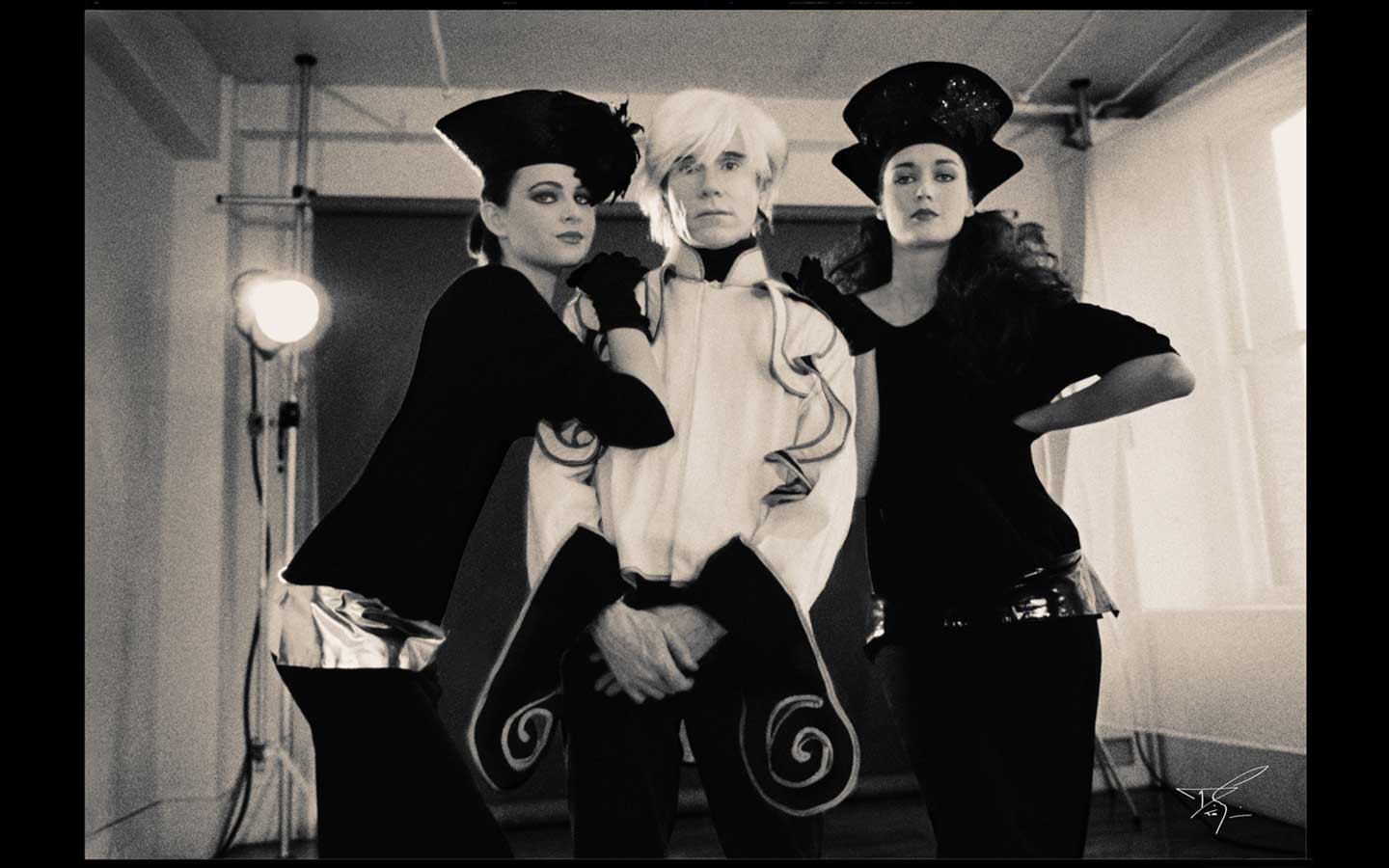
One anchor chapter is the Andy Warhol, Model Boy Collection, work treated as history, not nostalgia. A document of proximity and era, handled with the seriousness it deserves.
Then there’s the next chapter
A never-before-seen behind-the-scenes film from an Ocean Drive en Español cover-try session, captured in that rare electric window before the subject became an everywhere name. Not content. An artifact.
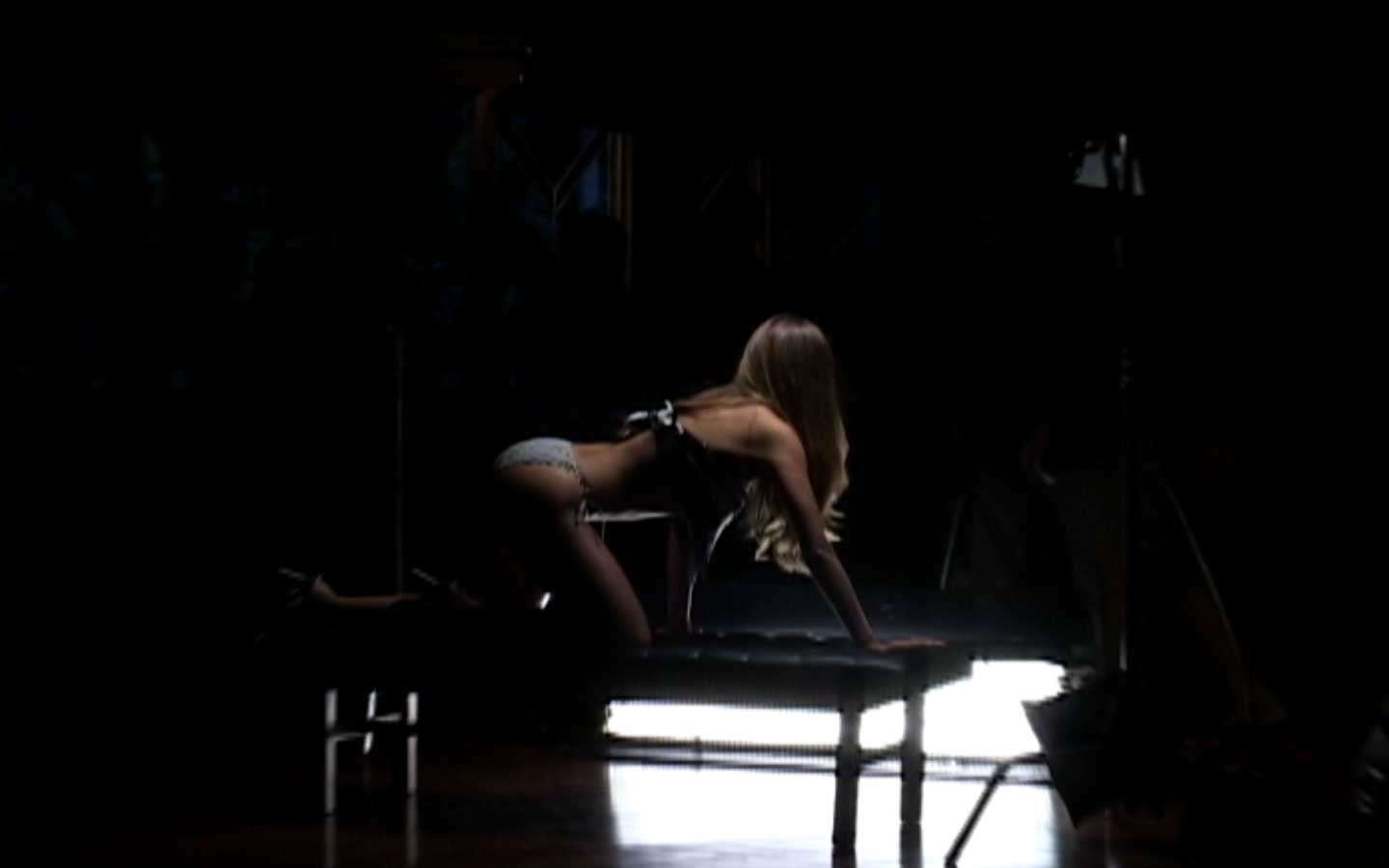
It won’t be released to feed the timeline. It will be handled with provenance: a short film preserved as a hinge-point moment. A limited private release is planned for collectors who understand that some images aren’t meant to be consumed. They’re meant to be kept safe.
This is the work in public without becoming noise: a living archive, held with intention.
Work with David
If you’re a creative director, a marketing lead, a brand builder, an interior designer or a collector looking for work with authorship, consider this your invitation to begin the conversation.
For commissioned work, view services. To explore curated bodies of work, visit collections. For direct inquiries, contact or send a message to david@siqueiros.com
#ModesOfSeeing #SeeDifferently #WaysOfSeeing #VisionAsPractice #VisualLanguage #CameraAsInstrument #StoryAsArchitecture #MoodShaping #EmotionalDesign #StillnessThatSpeaks #MovementThatMatters #LightAsLanguage #ShadowAndLight #FilmEra #AnalogRoots #AuthenticityCannotBeFaked #CraftOverTrends #ExperienceIsLuxury #VisualArchitect #Siqueiros


